ServicesHome Battery Backup
Home Battery Backup Systems in Hudson Oaks
When a storm takes the power out, a home battery keeps your refrigerator cold, your lights on and your phones charged without fuel or engine noise. We size the system to what you actually need, wire it safely to your panel and show you how it works.
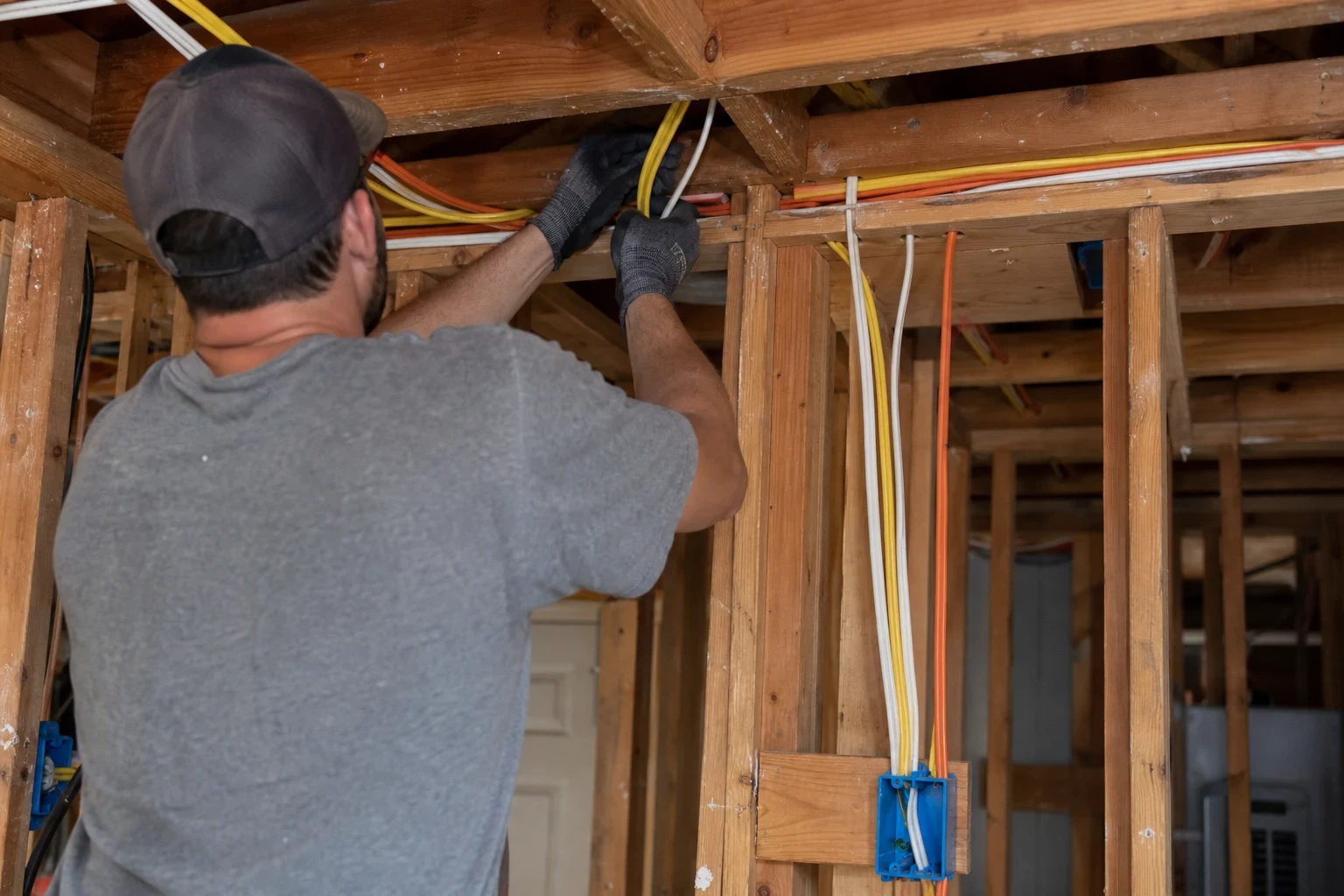
Power on Hand While the Grid Is Out
A home battery holds electricity in reserve and takes over the instant utility power fails. Most people use it for the basics: the refrigerator, some lights and outlets, the internet, a furnace fan or a well pump. Others choose to cover most of the house. It needs no fuel, gives off no exhaust and runs nearly silent.
The battery is only one piece. How it is wired to your panel sets which circuits stay powered, how smoothly the handoff happens and whether power could ever flow back onto the utility lines, a real danger to crews working after a storm. Most of our attention goes into getting that connection right.
We hold a Texas electrical contractor license, TECL 36609, and have worked on homes in and around Hudson Oaks for 5 years. When a battery is the wrong choice for your home, we say so, and generator installation is another route we can talk over with you.
What Comes With a Battery Backup Install
- Sizing based on your needs
- We list what you want powered during an outage and for how long. From that we work out the storage and output you need, so you neither pay for capacity you won't touch nor run dry on the second night.
- Backup panel and circuit wiring
- Many setups use a separate backup panel holding just the circuits you pick. We move those circuits into it, label each one and confirm your main panel can take the new equipment.
- Proper separation from utility lines
- Before the battery powers anything, your home must be cut off from the utility. We install and test that switching so stored power can never travel back out to the street.
- A well-chosen location
- Every battery has spacing and temperature limits from its maker. We choose a garage wall or outdoor spot that meets them, with summer heat and sun in mind, and keep the wire run short and protected.
- Permits and approvals
- We take care of the permit and book the inspector under the rules for your area. If your utility must approve the system before it goes live, we handle that with them as well.
Signs a Home Battery Makes Sense for You
Storm outages cost you food and sleep
If spring thunderstorms or a winter freeze have left you tossing groceries or sitting in the dark overnight, stored power covers exactly those hours.
Someone at home relies on powered equipment
Medical devices, a sump or well pump, or a home office that cannot drop offline are strong reasons to keep a few circuits running no matter what.
You want backup without fuel or noise
A battery runs silently, needs no gas cans and can sit near the house without exhaust concerns.
Short flickers keep resetting your day
Brief outages that knock out your router, clocks and garage door opener are often bridged without you noticing once a battery is in place.
Your panel is already near its limit
An older or crowded panel may need work before backup equipment can be added. If so, we will explain why and cover it with our panel upgrades service in the same plan.
How the Work Goes, Start to Finish
- 1
Service visit at your home
We open your panel, check your service size and walk the garage and exterior looking for a good place to mount the battery. Then we ask what you most want running when the power goes out.
- 2
Written plan and estimate
You get a clear scope: system size, what will be backed up, any panel work and the permit. Nothing gets added later without your say.
- 3
Installation day
We shut power off for a planned window, mount the battery and controls, wire the backup circuits and clean up as we go. Most of your home is back on before we leave.
- 4
Testing and walkthrough
We simulate an outage so you can see the switchover yourself, then show you the app or display and what to expect during a real storm.
- 5
Inspection
We meet the inspector or handle the scheduling, and fix anything they flag before we call the job done.
What Moves the Price of a Battery System
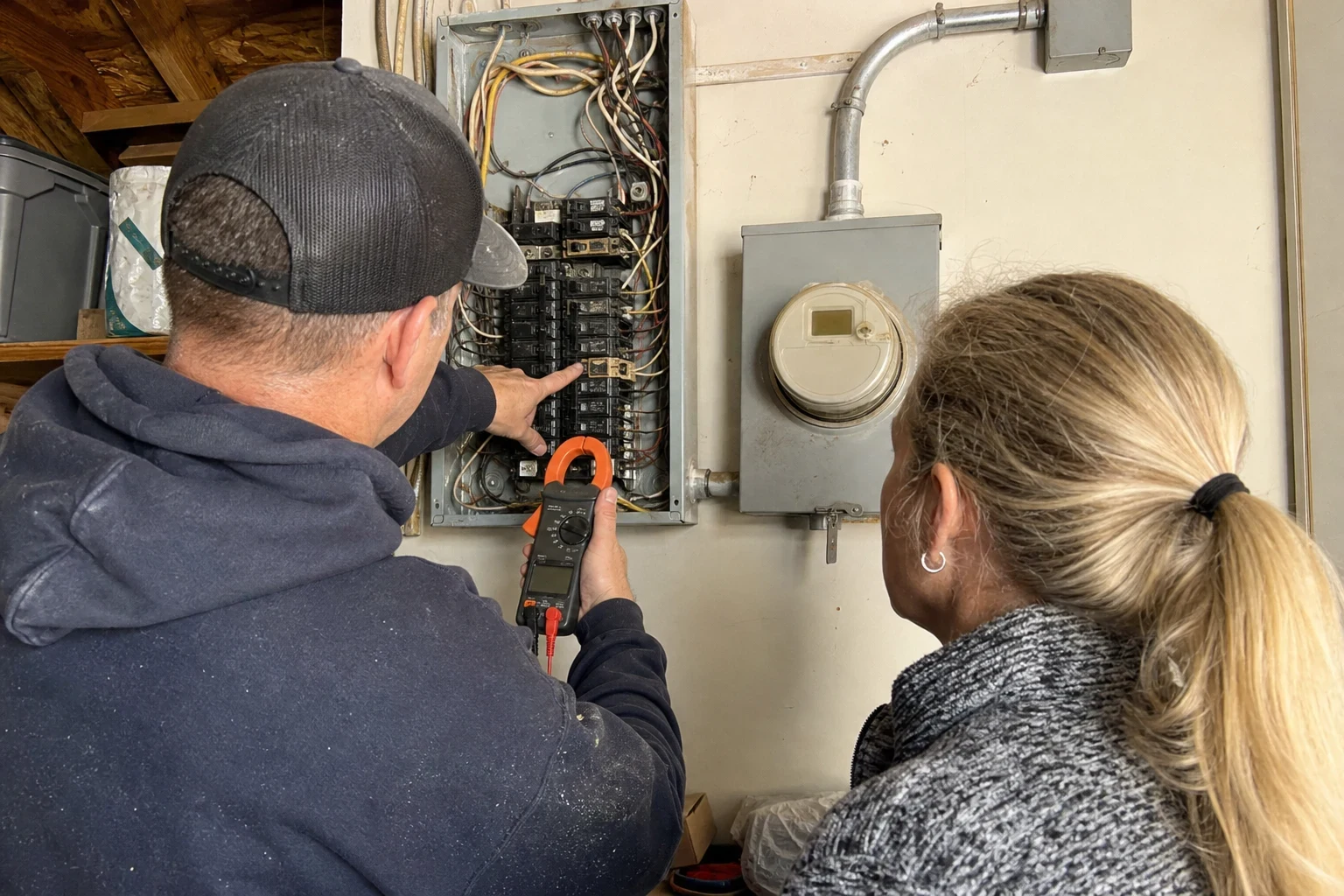
Every home battery job is priced from what we see at your visit, not from a chart. The biggest drivers are how much you want backed up and how ready your panel is. We put each piece on the written estimate so you can see where the money goes and adjust the plan before anything is installed.
- Storage capacity and output
- More stored energy runs your home longer, and higher output lets bigger loads like a well pump or air conditioner start. Both raise the equipment cost.
- Essentials only or most of the house
- A small backup panel with a handful of circuits costs less than whole-home coverage, which may need more batteries and heavier switching gear.
- Panel condition
- If your panel is outdated, full or undersized, it may need replacing or upgrading first, which adds labor and materials.
- Location and wire run
- A mounting spot right beside the panel is simpler than one across the garage or outside the house, which needs longer conduit and more wire.
- Permits and utility steps
- Permit fees and any utility requirements vary by jurisdiction and are listed on your estimate.
Questions We Hear About Home Batteries
Something not covered here? (682) 509-0416
How long can a battery keep my house running?
It depends on the battery's capacity and what you keep turned on. The fridge, a few lights, the internet and some outlets draw much less than central air or an electric range, so the charge stretches a lot further. At the visit we estimate run time for the circuits you choose, so you know what to expect when the next storm hits.
Should I choose a battery or a generator?
A battery is silent, uses no fuel and switches over smoothly, but it runs only as long as its stored charge holds out. A standby generator can run for days with fuel, though it's louder and needs maintenance. Some homes have both. We install either and will tell you honestly which fits your home.
Can the battery go in the garage or outside?
Usually yes, as long as the spot meets local code and the manufacturer's spacing and temperature limits. Texas summers are rough on equipment, so we look for shade, airflow and no direct sun. We go over the options with you at the visit.
Will I need a new panel to add a battery?
Often not. Many panels can handle a battery once a backup subpanel goes in. If yours is too small, full or worn out, we show you what we found and include the panel work in the estimate from the beginning, so it isn't a surprise later.
Does it need a permit, and who handles that?
Most areas require one, and that's our job. We file it, schedule the inspection with the office for your address and work with your utility if it needs to approve the system before it goes live. You don't have to handle any of it.
What happens when the power goes out?
The system senses the outage, disconnects your home from the utility lines and starts feeding your backup circuits, usually fast enough that the lights barely blink. When utility power returns, it switches back and recharges on its own. The display or app shows the charge left, and turning off extra loads stretches it further.
Set Up Backup Power Before the Lights Go Out
Let us know what you'd like kept on, and we'll visit, check your panel and give you a plain plan. Planning this on a quiet day beats scrambling after an outage.